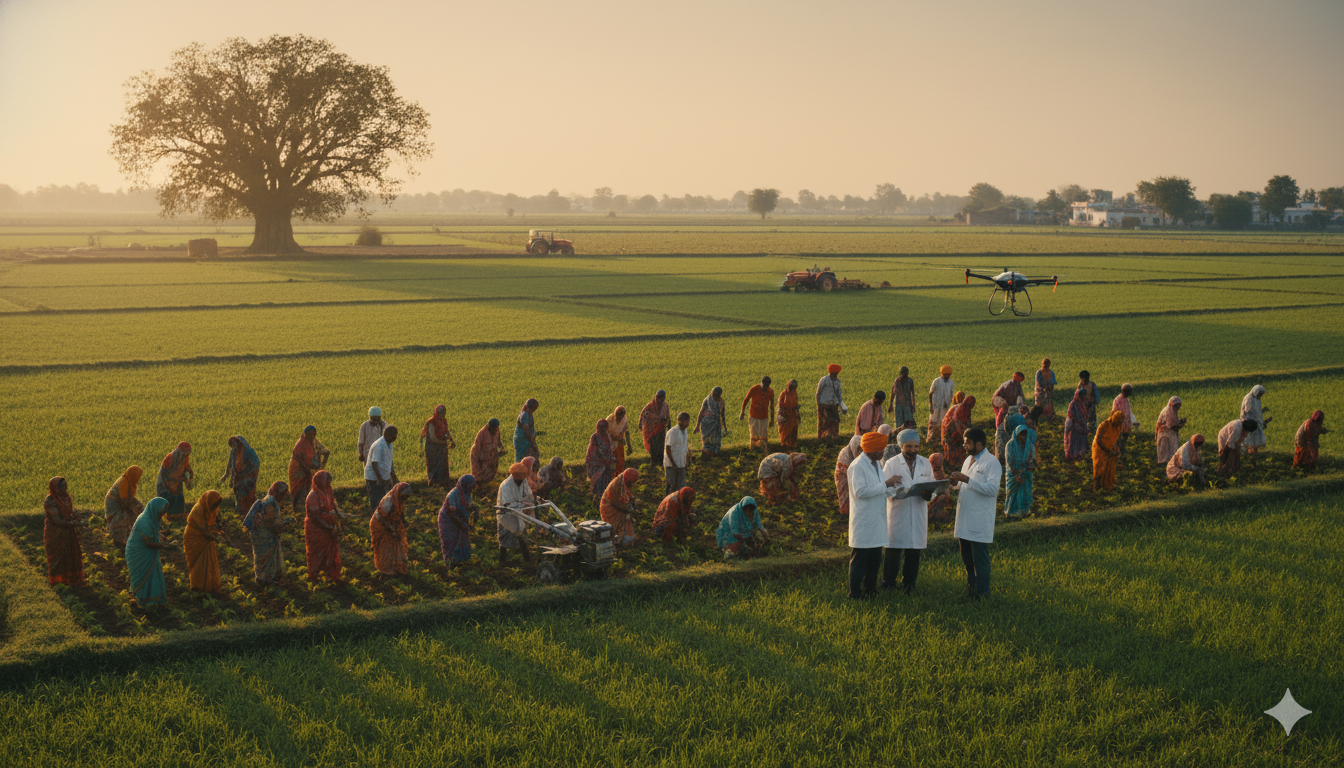
Agriculture development is the foundation of global food security and rural prosperity. The success of every harvest begins long before the crops sprout it starts with the selection of quality seeds. Seeds are the heart of agriculture farming, and their quality determines the strength, yield, and resilience of the crops. Investing in the right seeds ensures that farmers can cultivate healthy farms, improve crop management, and achieve long-term sustainability in their farming practices.
The Role of Quality Seeds in Agriculture Development
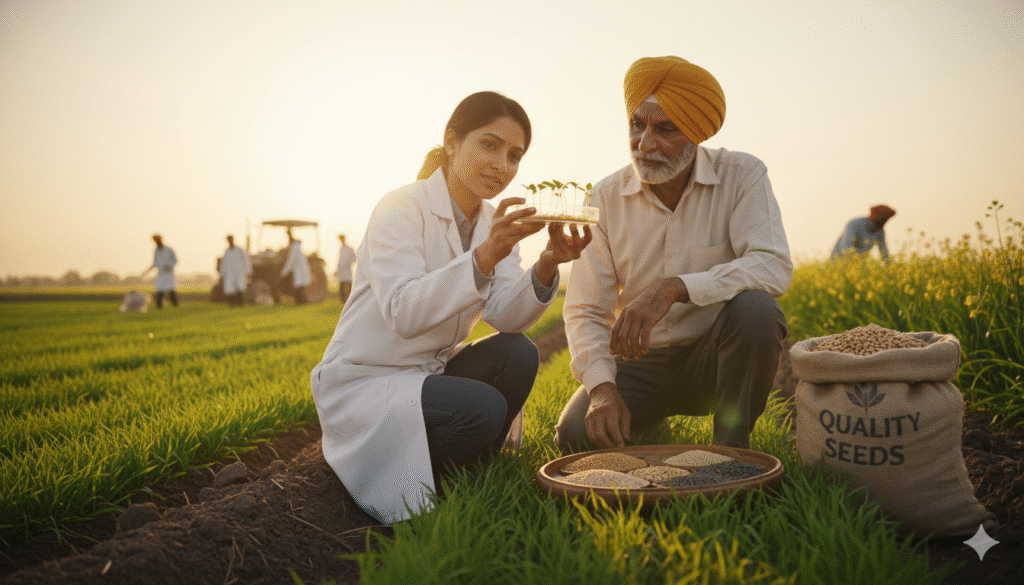
High-quality seeds are not just an input they are an investment in the future of farming. As part of continuous agriculture development, the focus on better seed quality helps enhance productivity, profitability, and soil health. Quality seeds carry the potential to transform ordinary farmland into a thriving, sustainable ecosystem.
Key reasons why seed quality matters:
- Better Germination Rate: Good seeds ensure uniform crop growth, reducing the chances of replanting.
- Higher Yields: Quality seeds produce stronger plants that can deliver higher harvests.
- Improved Resistance: Superior seeds are often bred to resist diseases, pests, and harsh weather conditions.
- Enhanced Crop Quality: Better seeds mean better produce in taste, size, and nutritional value.
How Quality Seeds Support Healthy Farms
The health of the farm is directly linked to the health of the seeds. When farmers use certified and well-tested seeds, they lay the groundwork for healthy farms that can thrive year after year. Quality seeds contribute to the sustainability and balance of the entire farming ecosystem.
How quality seeds improve farm health:
- Stronger Root Systems: Help crops absorb nutrients and water more efficiently.
- Reduced Use of Chemicals: Healthier crops require fewer pesticides and fertilizers.
- Balanced Soil Fertility: Better seed varieties support natural soil regeneration and nutrient recycling.
- Consistent Growth: Quality seeds promote even plant development across the field.
By choosing premium seeds, farmers reduce the risk of failure and promote the creation of health farms that remain productive across seasons. This step aligns perfectly with the long-term vision of agriculture development sustainable, profitable, and eco-friendly farming systems.
Crop Management and the Importance of Good Seeds
Effective crop management starts with quality seeds. Seeds that are genetically pure and well-adapted to the local climate make it easier to plan irrigation, fertilization, and pest control. Good seed quality ensures consistency in crop growth, making every stage of the farming cycle more predictable and manageable.
Benefits of using high-quality seeds for crop management:
- Optimized Resource Use: Farmers can plan irrigation and nutrient schedules efficiently.
- Reduced Crop Loss: Uniform growth minimizes gaps and irregularities in the field.
- Better Disease Control: Resistant varieties reduce the spread of infections.
- Stable Yields: Good seeds ensure reliable harvests even in changing weather patterns.
In addition, improved seeds can shorten the growing period, allowing multiple cropping cycles in a year a major advantage in modern agriculture farming. Farmers who focus on both seed quality and farming management can increase productivity while minimizing costs.
The Link Between Seed Quality and Farming Management
Efficient farming management depends on strategic planning from seed selection to post-harvest handling. Quality seeds give farmers the confidence to make precise decisions about planting density, irrigation, and soil preparation.
Key ways in which good seeds support farming management:
- Predictable Results: Uniform crops allow farmers to plan harvest times accurately.
- Reduced Input Costs: Less need for re-sowing, pesticides, and fertilizers.
- Adaptability: High-quality seeds perform well under different climatic conditions.
- Sustainability: They promote the use of eco-friendly farming methods.
Modern farmers can also access expert agriculture help through government programs and agritech platforms that guide them in selecting and preserving quality seeds. These initiatives are a vital part of ongoing agriculture development, ensuring that farmers stay informed and equipped with the best resources.
Ensuring Access to Quality Seeds
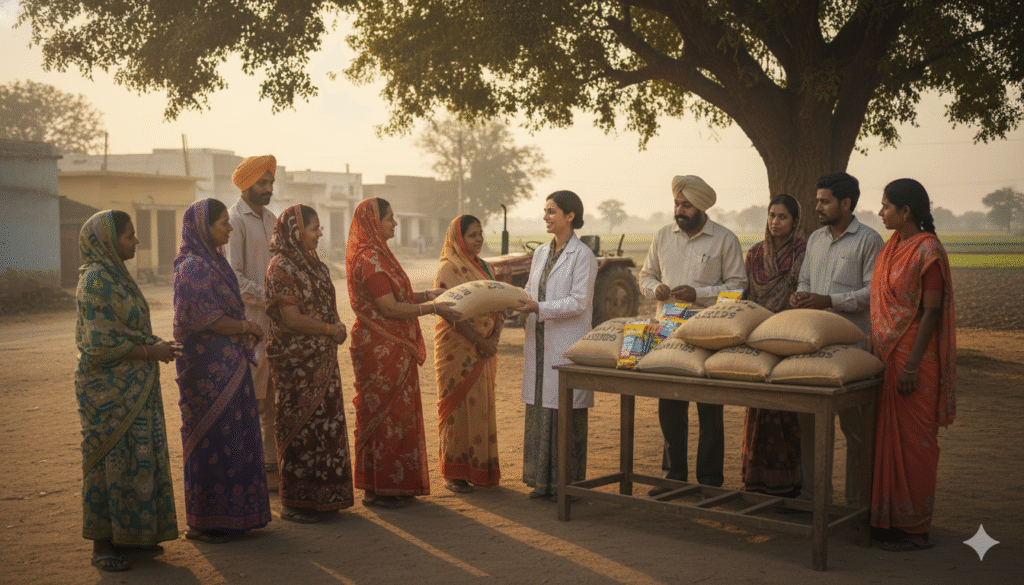
While the importance of good seeds is clear, not all farmers have easy access to them. Encouraging local seed banks, cooperatives, and educational programs can bridge this gap. Awareness campaigns on the benefits of certified seeds and training on storage and preservation can empower rural farmers to take charge of their productivity.
Steps to promote quality seed usage:
- Government Support: Policies to subsidize certified seeds for small-scale farmers.
- Education Programs: Providing agriculture help and training on seed selection and handling.
- Local Seed Production: Encouraging community-based seed production for accessibility.
- Research and Development: Promoting innovation in seed breeding for better adaptability.
Ensuring that farmers have access to high-quality seeds is one of the most practical and impactful ways to boost agriculture development.
Conclusion
In the journey of agriculture development, quality seeds are the first and most essential step toward success. They influence every aspect of agriculture farming, from soil fertility and crop management to sustainability and profitability. With better seeds, farmers can maintain healthy farms, improve yields, and reduce dependency on chemicals.
Through awareness, training, and access to agriculture help, the farming community can fully realize the potential of quality seeds. When we invest in superior seeds today, we invest in a greener, more prosperous future for generations to come.