Agriculture development has come a long way from traditional farming techniques to modern, technology-driven systems. Today, farming is not just about manual labor and basic equipment it’s about precision, innovation, and sustainability. The success of agriculture farming depends heavily on the tools and technologies farmers use. These tools make farming faster, more efficient, and more profitable, helping create healthy farms that can sustain productivity for years to come.
Modern Tools that Drive Agriculture Development
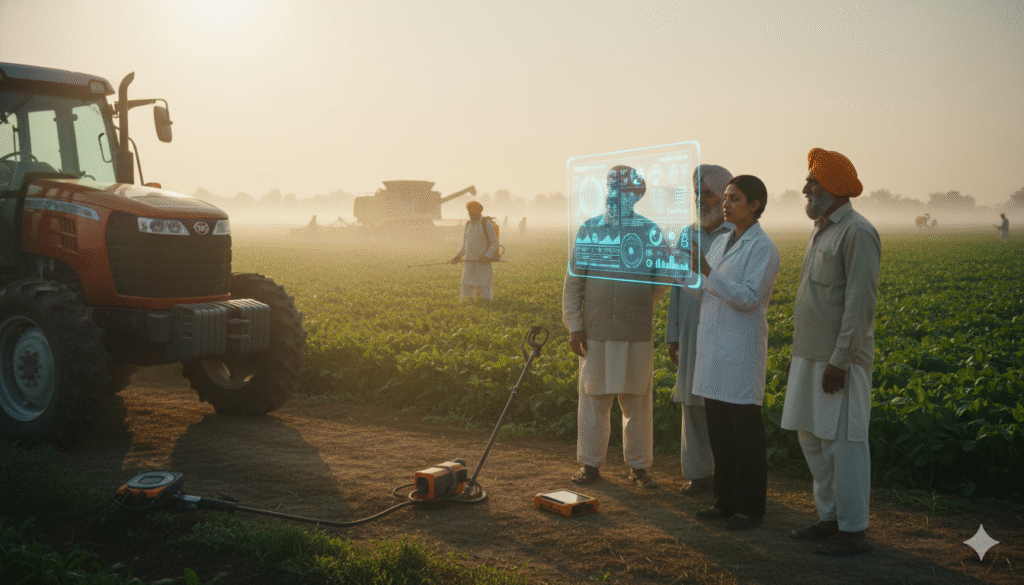
In today’s competitive world, farmers are adopting modern tools that improve both efficiency and output. These tools are not just limited to machines they include digital solutions, smart sensors, and automation systems that bring precision to agriculture farming.
Key tools essential for modern agriculture include:
- Tractors and Power Tillers:
- Used for plowing, planting, and transportation.
- Reduce manual labor and increase speed and efficiency in the field.
- Seed Drills and Planters:
- Ensure uniform seed placement and spacing.
- Promote higher germination rates and better crop quality.
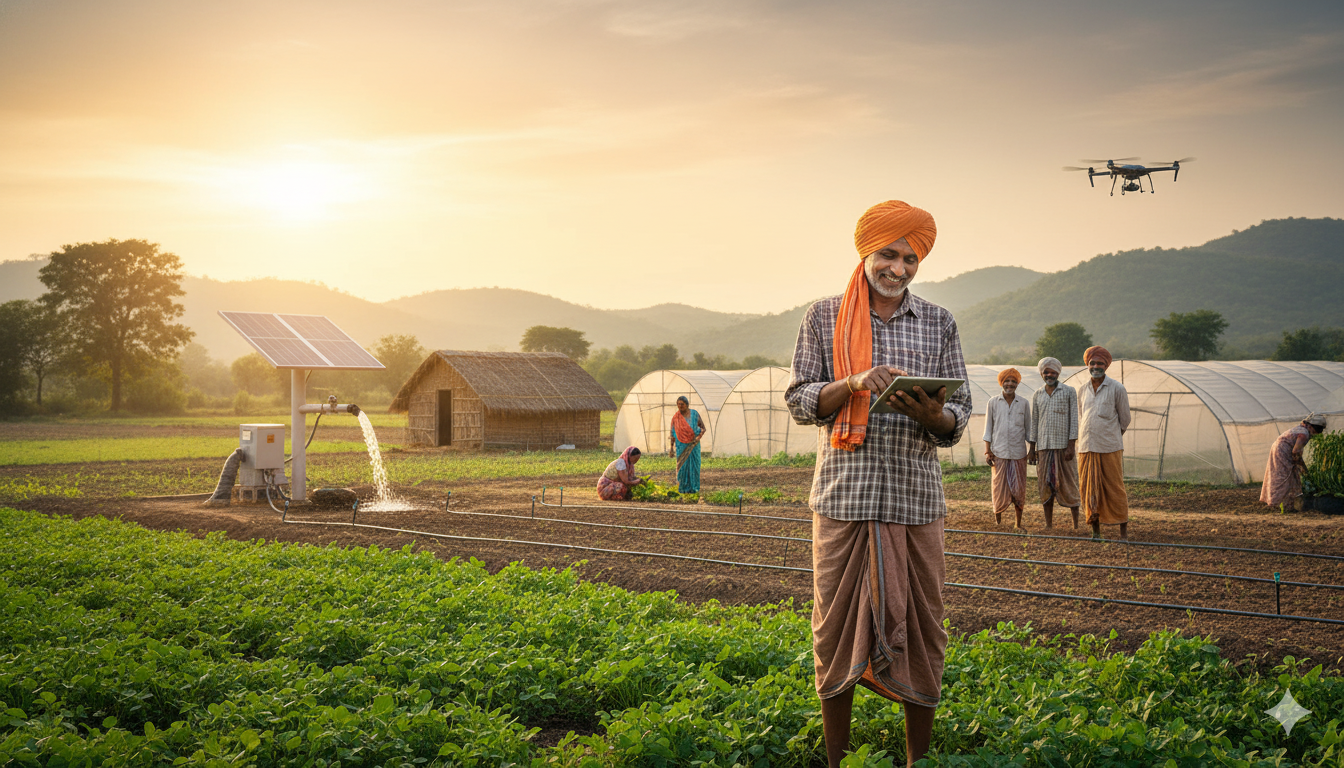
- Irrigation Systems:
- Drip and sprinkler systems save water and promote sustainable farming.
- Help maintain consistent soil moisture for healthier crops.
- Harvesters and Combines:
- Mechanize harvesting, saving time and reducing crop losses.
- Ensure cleaner and faster grain collection.
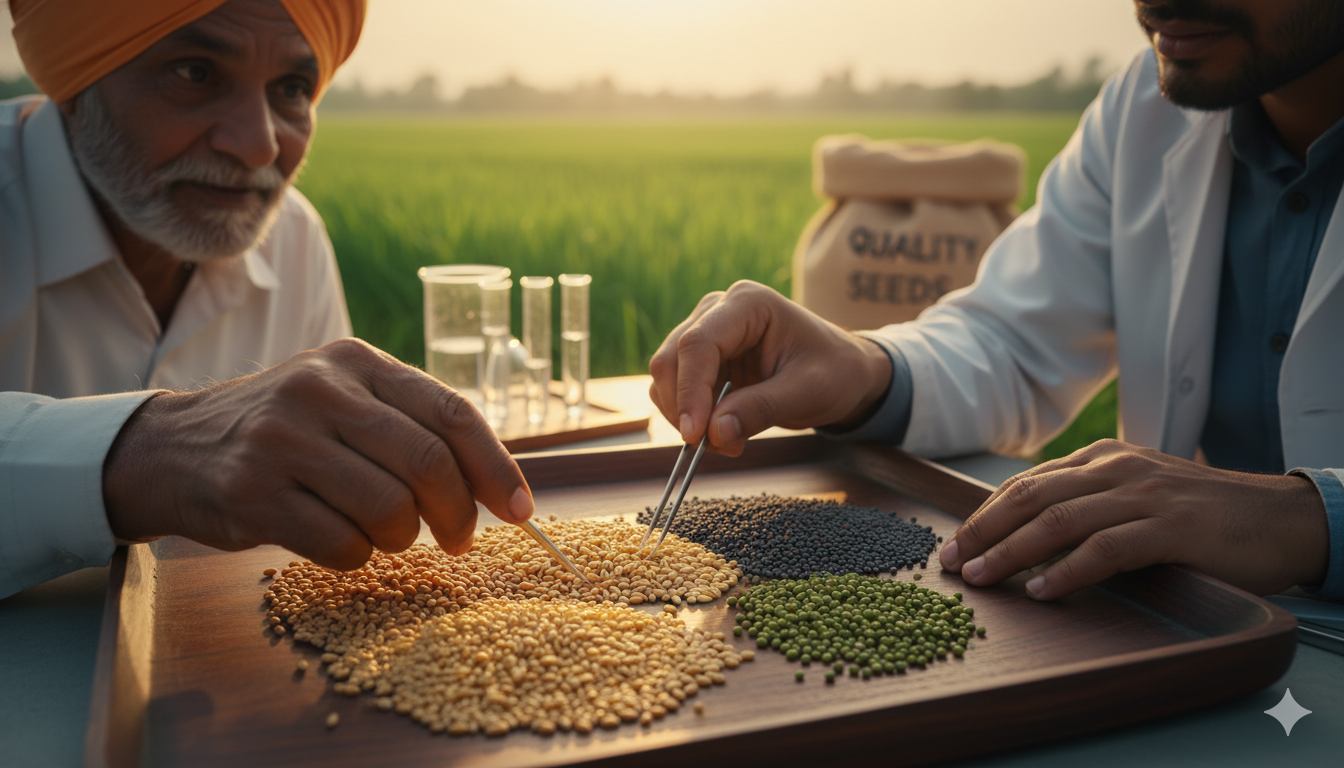
- Soil Testing Kits:
- Allow farmers to assess soil nutrients and plan better fertilization.
- Improve crop management and maintain soil health.
- Drones and Sensors:
- Monitor crop growth, soil health, and pest activity in real-time.
- Support precise decision-making in farming management.
These tools not only improve production but also ensure healthy farms by reducing waste, saving water, and minimizing the overuse of fertilizers and pesticides.
How Modern Tools Improve Farming Management
Good farming management is about making the right decisions at the right time and modern tools make that easier than ever. Farmers now rely on digital systems that give them instant data on crop conditions, soil fertility, and weather patterns.
Advantages of modern tools for farming management:
- Data-Based Decisions:
- Tools like sensors and mobile apps provide real-time insights.
- Help farmers plan irrigation, fertilization, and pest control accurately.
- Reduced Costs:
- Mechanized tools cut labor expenses and reduce resource wastage.
- Efficiency leads to higher profit margins.
- Improved Productivity:
- Smart machinery allows large areas to be cultivated faster and more effectively.
- Ensures better timing for sowing and harvesting.
- Sustainable Practices:
- Technology helps minimize environmental impact.
- Encourages resource-efficient agriculture farming methods.
With the help of technology, farmers can manage operations smoothly, monitor their fields remotely, and achieve consistent production levels all key factors for agriculture development in the modern era.
Modern Tools for Crop Management and Healthy Farms
Crop management is the backbone of any successful farming system. Modern tools make it easier to monitor, protect, and nurture crops from planting to harvesting. From automated irrigation systems to mobile apps that predict weather conditions, technology has become a farmer’s most reliable partner.
Important tools for effective crop management:
- Weather Forecasting Tools:
- Help farmers plan planting and harvesting times.
- Reduce the risk of losses from unpredictable weather.
- Crop Monitoring Drones:
- Detect early signs of disease or nutrient deficiency.
- Allow targeted treatment, promoting healthy farms.
- Automated Sprayers:
- Apply fertilizers and pesticides evenly, reducing waste.
- Enhance crop health while minimizing chemical exposure.
- Smart Irrigation Controllers:
- Adjust water levels based on soil moisture data.
- Prevent waterlogging and drought stress in crops.
By adopting these innovations, farmers not only improve crop management but also contribute to environmental sustainability. Healthy soil, balanced water use, and eco-friendly practices all lead to stronger and more healthy farms.
The Role of Agriculture Help and Education in Modern Farming
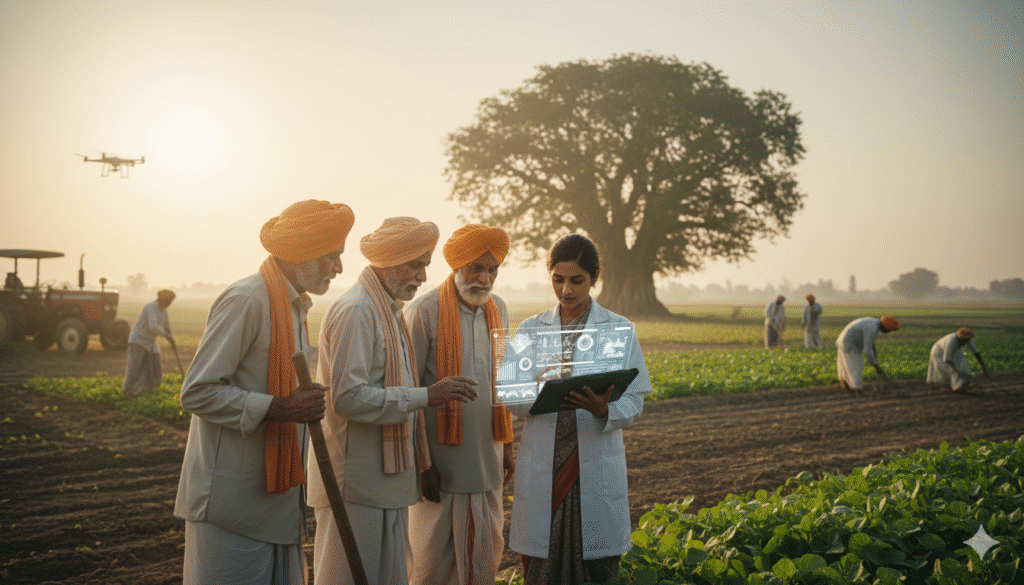
While tools and technology are transforming agriculture, access to knowledge is equally important. Many farmers, especially in rural areas, rely on agriculture help programs to learn about new tools and modern practices. These initiatives guide farmers in using equipment properly, improving yields, and maintaining farm health.
Agriculture help programs offer:
- Training on machinery operation and safety.
- Guidance on crop management and soil testing.
- Financial support and government subsidies for tool purchase.
- Awareness about sustainable farming and modern technologies.
Such initiatives are a driving force behind agriculture development, helping farmers transition from traditional to modern systems without losing touch with environmental responsibility.
Conclusion
In today’s fast-changing world, agriculture development depends on innovation, efficiency, and education. Modern tools have redefined agriculture farming, making it smarter, faster, and more productive. From tractors and drones to irrigation systems and digital sensors, these tools help farmers achieve better yields, maintain healthy farms, and improve farming management at every level.