
Agriculture development plays a crucial role in sustaining the world’s food systems, supporting economies, and ensuring that farming practices remain both productive and sustainable. One of the most vital yet often overlooked elements of this progress is soil health. Healthy soil forms the foundation of all agriculture farming, and maintaining it through regular soil testing is key to achieving long-term agricultural success.
Understanding the Importance of Soil Health
Healthy soil is not just dirt it is a living ecosystem that breathes life into crops. The vitality of a farm depends on how well the soil can supply essential nutrients, retain moisture, and support microorganisms. Regular soil testing helps farmers understand the physical, chemical, and biological properties of their soil, giving them the power to make informed decisions for better farming management and crop management.
Key points on why soil health matters:
- Healthy soil increases crop yield and improves crop quality.
- It enhances the ability of plants to resist pests and diseases naturally.
- Well-managed soil ensures efficient use of fertilizers and water.
- Maintaining healthy farms begins with knowing what your soil needs and when.
By improving soil health, farmers contribute not only to their own productivity but also to the environment. Sustainable soil practices reduce erosion, minimize pollution, and promote biodiversity all of which are crucial for global agriculture development.
Why Soil Testing Is Essential for Farming Success
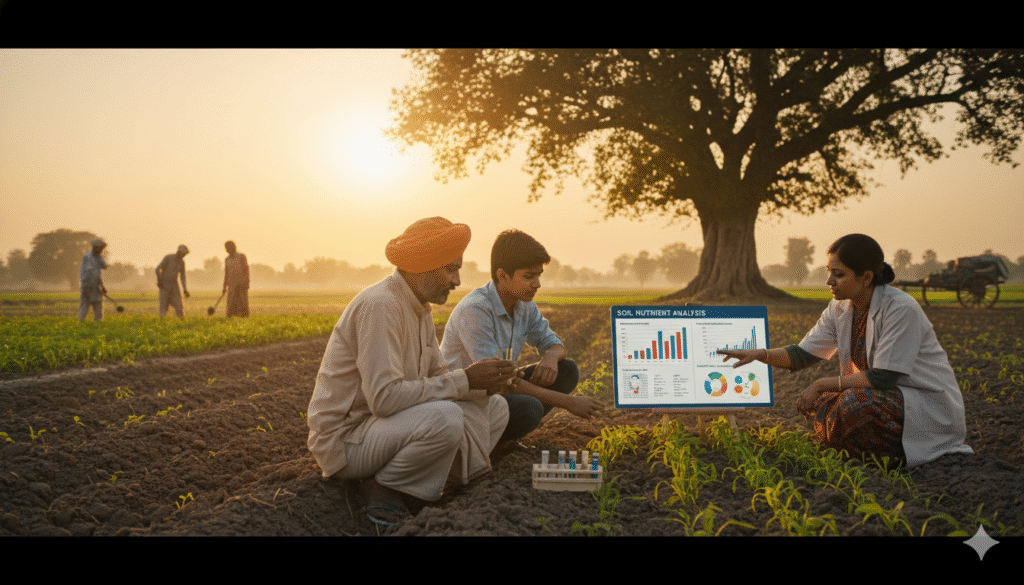
Soil testing is the foundation of scientific agriculture farming. It allows farmers to analyze the soil’s nutrient composition, pH levels, and organic matter content. This knowledge helps in creating precise and customized fertilization plans that prevent both overuse and deficiency of nutrients.
Key benefits of soil testing include:
- Nutrient Balance: Testing helps identify which nutrients are missing and which are in excess.
- Cost-Effective Farming: Prevents wastage of money on unnecessary fertilizers.
- Better Crop Yield: Ensures optimal conditions for plant growth.
- Environmental Protection: Reduces chemical runoff and soil pollution.
Without soil testing, farming often becomes guesswork. Over time, this can lead to soil degradation and reduced productivity. In contrast, regular testing supports farming management by ensuring every decision from planting to harvesting is based on accurate data.
Soil testing helps farmers:
- Choose the right crops for the right type of soil.
- Maintain consistent soil fertility for future planting seasons.
- Understand changes in soil composition caused by weather, irrigation, and cultivation patterns.
By embracing soil testing, farmers take a scientific approach to managing healthy farms, ensuring sustainability and higher profits.
How Soil Health Impacts Crop Management and Farm Sustainability
The relationship between soil and crops is deeply interconnected. Crop management starts with understanding soil structure, nutrient levels, and microbial life. A farmer who regularly monitors soil health can design a farming strategy that supports both short-term productivity and long-term sustainability.
Practical steps for improving soil health:
- Use organic compost and natural fertilizers to replenish nutrients.
- Rotate crops to prevent nutrient depletion and soil fatigue.
- Avoid excessive tillage to maintain soil structure and moisture.
- Encourage the growth of beneficial microorganisms through organic matter.
Healthy soil ensures that every seed planted has the best possible environment to thrive. When soil is managed properly, water retention improves, reducing irrigation costs and protecting the land from drought conditions. This approach is a cornerstone of modern agriculture help programs that aim to educate farmers about sustainable practices.
Benefits of integrating soil health into crop management:
- Stronger root systems and better nutrient absorption.
- Reduced dependency on synthetic fertilizers and chemicals.
- Enhanced long-term fertility for healthy farms.
- Improved resistance to climate stress and unpredictable weather patterns.
By focusing on soil care, agriculture development becomes more resilient and adaptive, ensuring food security for future generations.
The Role of Technology and Awareness in Modern Farming
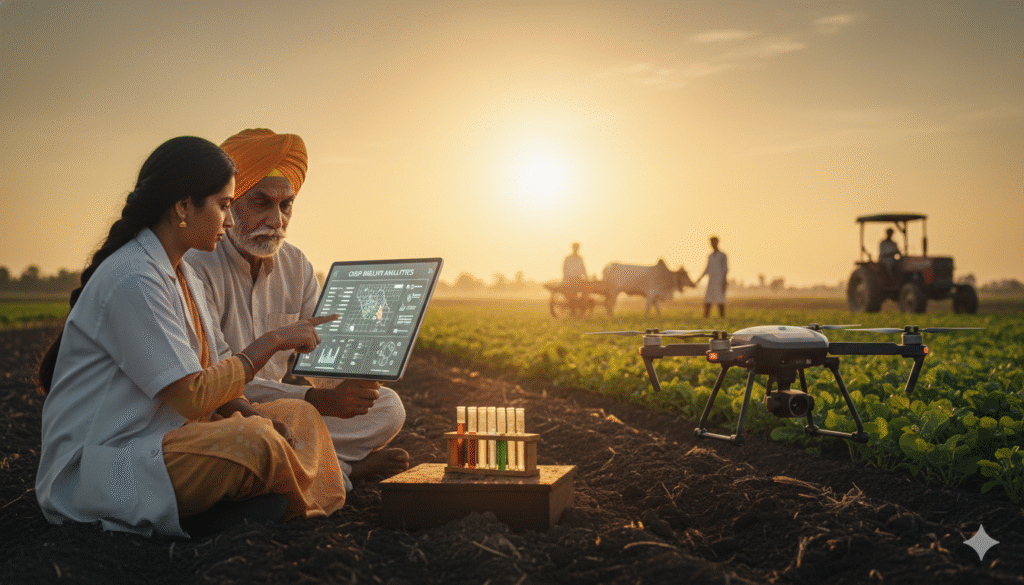
In today’s era, technology plays a transformative role in advancing agriculture farming. From drone-based soil mapping to mobile applications for soil testing, digital tools have made it easier for farmers to track and manage soil conditions efficiently.
Key advancements supporting farmers include:
- Portable soil testing kits that provide instant nutrient analysis.
- AI-based farm monitoring systems for precise farming management.
- Online platforms offering expert agriculture help and soil improvement recommendations.
These innovations empower farmers with knowledge and real-time data, reducing dependence on traditional trial-and-error methods. The result is smarter decision-making, cost efficiency, and improved soil conservation.
Conclusion
Agriculture development begins with understanding the very foundation of farming soil health. Regular testing ensures that farmers can nurture the land in a way that supports productivity, profitability, and environmental balance. Whether it’s for improving crop management, maintaining healthy farms, or seeking expert agriculture help, the message is clear: soil health is not a one-time concern it’s an ongoing commitment.

1 comment