
Agriculture development plays a vital role in ensuring food security, improving rural livelihoods, and strengthening the global economy. The foundation of any successful agricultural venture begins with choosing the right landscape. The right piece of land can determine the quality of production, sustainability of the environment, and the overall profitability of farming. Let’s explore how to choose the perfect landscape for agriculture farming, focusing on essential factors that promote healthy farms, effective farming management, and better crop management.
1. Understanding the Basics of Agriculture Landscape
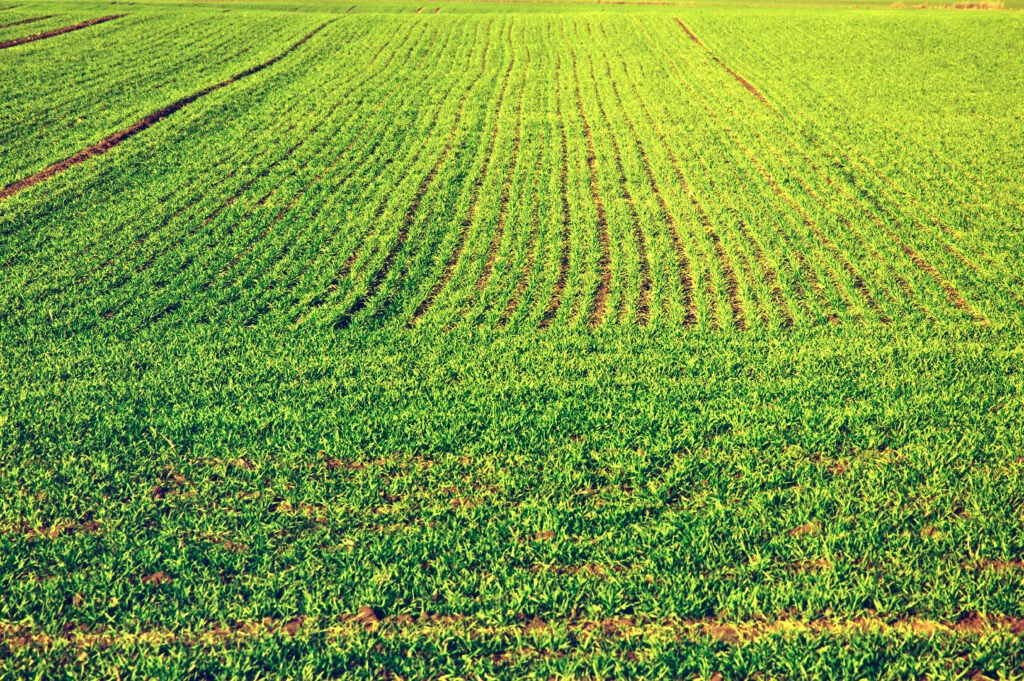
Before investing in a farming project, it’s crucial to understand what makes a landscape suitable for agriculture development.
- A good agricultural landscape supports healthy farms by providing fertile soil, adequate sunlight, and a balanced water supply.
- The terrain should be even and easily accessible for machinery and workers.
- Climatic conditions should match the crop requirements too much rain or too little can harm productivity.
- The area should have a natural drainage system to prevent waterlogging and soil erosion.
A deep understanding of these natural factors helps farmers achieve long-term sustainability and better yield.
2. Soil Quality and Fertility Check
The heart of any agriculture farming project lies in its soil. The soil type and fertility directly influence crop growth and productivity.
- Conduct a soil test to understand its composition, pH level, and nutrient content.
- Choose land with loamy soil a balanced mix of sand, silt, and clay ideal for crop management.
- Avoid areas with rocky or sandy soil, as they retain less water and nutrients.
- Incorporate organic matter and compost to enrich the soil naturally and promote healthy farms.
Healthy soil leads to healthy crops, which ensures long-term farming management success.
3. Water Availability and Irrigation Access
Water is the lifeline of agriculture. Without a stable water source, even the most fertile land cannot sustain crops.
- Ensure the landscape has access to rivers, lakes, or groundwater for irrigation.
- Areas with natural water sources reduce the dependency on artificial irrigation systems.
- Build rainwater harvesting systems to make farming more sustainable.
- Use modern irrigation methods like drip or sprinkler systems for efficient crop management.
With proper agriculture help and modern water management, farmers can maintain productivity even during dry seasons.
4. Climate and Environmental Suitability

Climate plays a defining role in determining which crops can grow successfully. Choosing land that aligns with your desired crop’s needs ensures high yield and quality production.
- Research the local climate, rainfall patterns, humidity levels, and temperature range.
- Match your chosen crops with these climatic conditions for optimal growth.
- Protect your land from natural disasters such as floods or droughts by maintaining tree belts and vegetation buffers.
- Areas with moderate weather and stable rainfall are ideal for farming management and agriculture development.
Selecting a climate-friendly location supports sustainable farming and reduces dependency on chemical aids.
5. Accessibility and Infrastructure
For a successful agriculture farming venture, accessibility to markets, labor, and infrastructure is equally important.
- Choose a location near roads, transportation facilities, and marketplaces for easy product distribution.
- Availability of nearby villages or towns ensures a steady labor supply.
- Electricity and internet access help in implementing modern farming technologies and digital agriculture help tools.
- Better infrastructure means better farming management, reduced costs, and improved profits.
Good connectivity supports farmers in selling their produce quickly and efficiently.
6. Sustainability and Eco-Friendly Approach
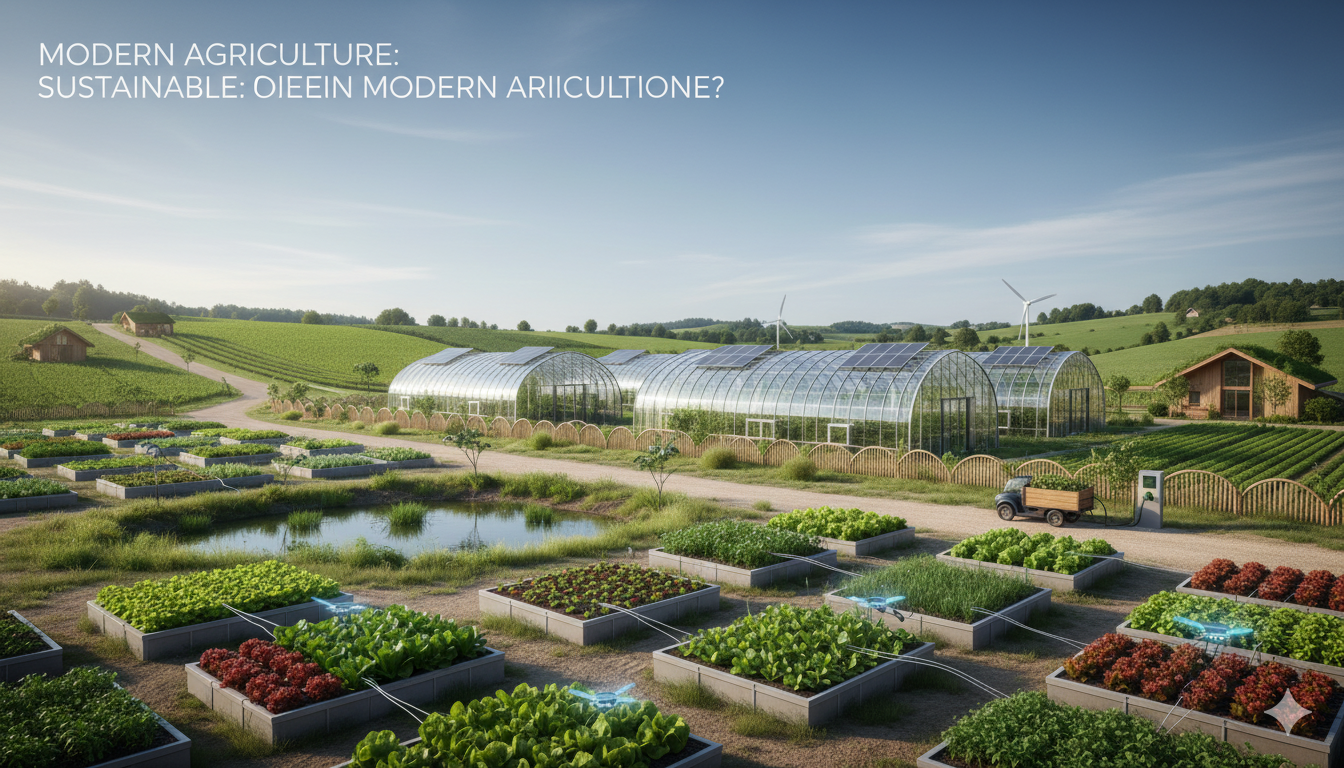
Modern agriculture development must focus on sustainability protecting the environment while producing quality crops.
- Promote organic farming to reduce chemical use and maintain soil health.
- Implement crop rotation and intercropping methods for effective crop management.
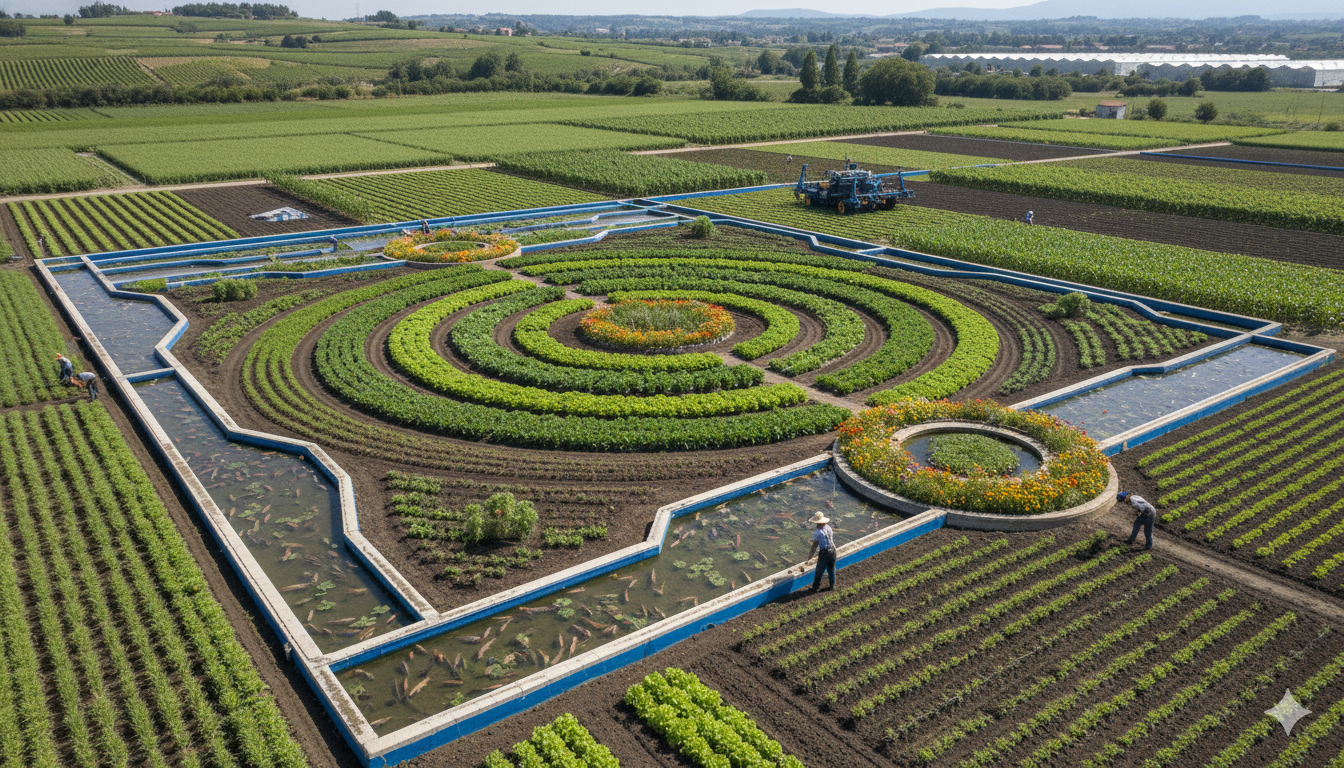
- Preserve nearby trees, water bodies, and wildlife habitats.
- Invest in renewable energy sources like solar panels for irrigation and farm operations.
- Encourage healthy farms through responsible waste management and composting.
Sustainable practices ensure that the land remains productive for future generations.
7. Government Support and Agriculture Help

Government schemes and expert guidance can make a big difference in setting up successful farms.
- Seek agriculture help from local authorities to access subsidies and financial support.
- Join agricultural training programs to enhance knowledge about farming management and new technologies.
- Collaborate with agricultural consultants for soil testing, irrigation planning, and resource management.
- Take advantage of digital platforms that provide updates on weather forecasts and pest management.
By utilizing government and institutional support, farmers can establish efficient and healthy farms that thrive long-term.
8. Long-Term Planning and Farm Vision
When choosing the landscape, always think about the future. A short-term mindset can limit your growth, while long-term planning ensures success.
- Plan for expansion by choosing land with room for future development.
- Invest in infrastructure that can adapt to changing technologies.
- Create a vision for sustainable agriculture farming that combines tradition with innovation.
- Build partnerships with neighboring farmers to share resources and agriculture help.
This vision-oriented approach helps farmers remain resilient and profitable in a changing world.
Conclusion
Choosing the right landscape for agriculture development is not just about finding fertile soil it’s about creating an environment where crops, people, and nature thrive together. From soil testing and crop management to water access and sustainability, every step matters in building healthy farms. Proper farming management backed by expert agriculture help ensures that the chosen land becomes a foundation for prosperity and environmental balance.
1 comment