
Agriculture development has always been about improving productivity, sustainability, and the overall efficiency of the farming process. One key area that often determines the success of modern farming is transportation the link that connects farms to markets, suppliers, and consumers. However, even the most advanced agriculture farming systems can face setbacks without proper maintenance of transportation equipment and infrastructure. Regular maintenance ensures smooth operations, reduces delays, and helps farmers achieve better profitability while supporting healthy farms and efficient farming management.
The Importance of Maintenance in Agricultural Transportation

Transportation is the lifeline of any farming ecosystem. From moving harvested crops to delivering fertilizers, seeds, and equipment, efficient transportation is essential for successful crop management and farming management. Proper maintenance of vehicles, machinery, and transport routes ensures that the system runs seamlessly.
Key benefits of maintenance in agricultural transportation include:
- Reduced Downtime: Regular maintenance prevents sudden breakdowns during critical farming seasons.
- Cost Savings: Proper upkeep minimizes repair costs and extends the lifespan of vehicles.
- Enhanced Safety: Well-maintained equipment ensures safe handling of goods and farm materials.
- Improved Efficiency: When vehicles perform at their best, fuel consumption and operating costs decrease.
By focusing on routine maintenance, farmers can improve not just logistics but also the overall performance of healthy farms. This proactive approach directly supports the goals of agriculture development building resilient, efficient, and profitable farming systems.
Key Maintenance Practices for Agricultural Transportation
Maintenance is not limited to fixing issues after they occur it’s about preventing problems before they happen. A well-structured maintenance plan ensures that farm vehicles, tools, and transportation networks function effectively throughout the year.
Essential maintenance practices include:
- Regular Inspection:
- Check tractors, trucks, and trailers before and after each use.
- Identify any wear and tear in tires, brakes, and hydraulic systems.
- Timely Servicing:
- Follow manufacturer-recommended service schedules for vehicles and equipment.
- Replace filters, fluids, and engine parts as needed.
- Lubrication and Cleaning:
- Keep machinery and transport equipment clean to avoid rust and damage.
- Lubricate moving parts regularly to reduce friction and improve efficiency.
- Storage and Protection:
- Store vehicles and machinery in shaded or covered areas to prevent exposure to harsh weather.
- Use protective covers and apply anti-corrosion treatments for longer durability.
Such preventive steps strengthen the entire agriculture farming system and ensure that the transportation chain remains uninterrupted even during peak seasons.
The Role of Maintenance in Crop and Farm Management
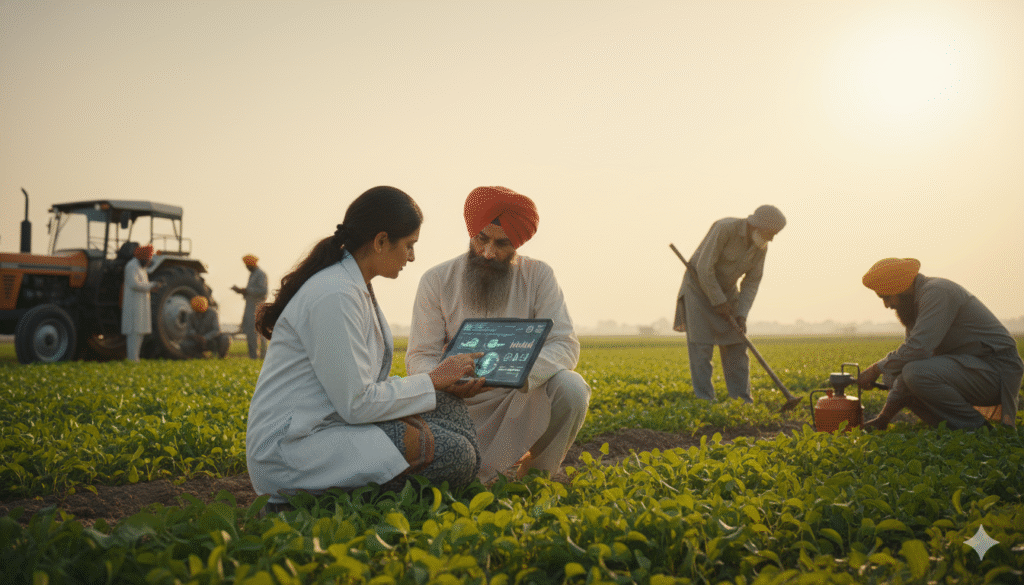
Proper transportation maintenance goes hand in hand with effective crop management and farming management. When vehicles and machinery are in excellent condition, the movement of seeds, fertilizers, and harvested crops becomes smoother and more timely. This has a direct impact on the health and productivity of healthy farms.
Maintenance supports farm operations by:
- Ensuring crops are delivered to the market while still fresh and in good condition.
- Helping farmers save time and focus on cultivation rather than frequent equipment repairs.
- Reducing losses caused by transportation delays or breakdowns.
- Supporting the efficient distribution of water and nutrients across farm areas when irrigation machinery is properly maintained.
Smart Maintenance for Modern Agriculture
With the growth of technology in farming, maintenance practices have evolved as well. Today, farmers can use digital tools and mobile applications for scheduling inspections, tracking performance, and predicting when a vehicle might need servicing. This integration of technology into farming management is transforming traditional methods into smarter and more reliable systems.
Modern maintenance approaches include:
- Predictive Maintenance: Using sensors and data analytics to detect potential failures before they occur.
- Maintenance Tracking Apps: Helping farmers record service dates, part replacements, and fuel efficiency.
- Remote Monitoring: Allowing real-time tracking of vehicles to ensure safe and efficient transport.
- Training Programs: Providing agriculture help to farmers on maintaining their equipment effectively.
These smart systems reduce guesswork and enhance productivity, ensuring that agriculture farming stays efficient and environmentally friendly.
Maintenance as a Key to Sustainable Agriculture
Proper maintenance is not just a technical requirement it’s a sustainability strategy. When transportation systems are well-maintained, fuel efficiency increases, emissions reduce, and overall energy use declines. This helps in promoting healthy farms and preserving the environment for future generations.
Sustainable benefits of maintenance include:
- Less fuel consumption and reduced pollution.
- Longer life for machinery and vehicles, reducing waste.
- Better resource management through preventive care.
- Strengthened rural connectivity by maintaining farm-to-market routes.
Sustainable maintenance practices align perfectly with the vision of agriculture development, where technology, efficiency, and environmental responsibility work together for long-term success.
Conclusion
In the modern era of agriculture development, transportation and maintenance form the backbone of efficiency and profitability. Without proper maintenance, even the best agriculture farming methods can fall short of their potential. Regular checks, servicing, and smart management of farm vehicles and transport systems not only save time and money but also promote healthy farms and better crop management.


1 comment