
Agriculture development plays a crucial role in shaping the sustainability and productivity of our planet. It’s not just about growing crops it’s about creating a system that balances nature, technology, and human effort. From smart planning to precise planting, the art of agriculture is evolving faster than ever. In today’s world, agriculture farming has become a blend of science, skill, and sustainability, ensuring both healthy farms and abundant yields.
Understanding the Role of Design in Agriculture
Design is the foundation of every successful farm. It determines how efficiently land, water, and resources are used to achieve maximum productivity. Proper design helps farmers minimize waste, reduce costs, and improve overall yield quality.
- Farm layout planning: A well-designed layout ensures smooth movement of labor, machinery, and livestock, reducing time and energy wastage.
- Water management design: Smart irrigation systems and drainage structures are key components in modern farming management, preventing waterlogging and ensuring balanced hydration for crops.
- Soil zoning: Dividing land based on soil fertility allows the selection of suitable crops, boosting crop management efficiency.
- Accessibility design: Easy access to different farm zones enhances operational speed, especially during planting and harvesting seasons.
A thoughtfully designed farm is like a well-built machine it runs smoothly, efficiently, and productively throughout the year.
Planning and Planting: The Core of Healthy Farming
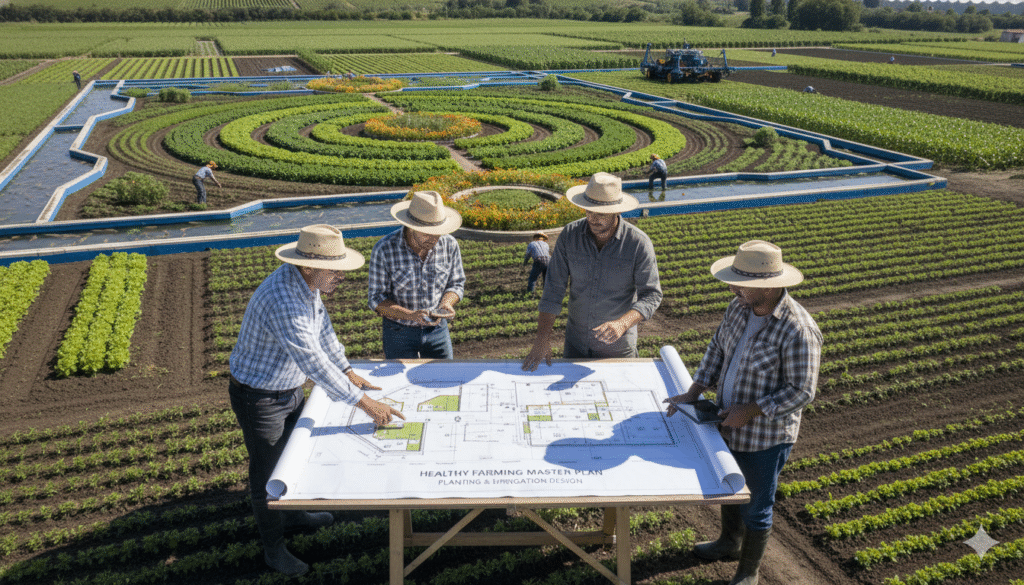
Planning and planting form the backbone of agriculture development. A well-thought-out planting strategy can determine whether a farm thrives or struggles. Modern Agriculture farmers rely on innovative approaches to make farming both productive and sustainable.
- Seasonal planning: Understanding local climate and soil conditions helps in scheduling the right planting times for different crops, a vital step in successful agriculture farming.
- Crop rotation: This age-old technique prevents soil exhaustion, reduces pests, and enhances fertility contributing to the overall health of healthy farms.
- Seed selection: Choosing high-quality, disease-resistant seeds ensures better yields and reduces the need for chemical treatments.
- Sustainable planting methods: Incorporating organic fertilizers, natural pest control, and drip irrigation supports eco-friendly farming management.
- Technology-driven planting: Tools like GPS-based tractors and automated seeders help maintain precision in crop management, minimizing waste and maximizing productivity.
Planning isn’t just about what you plant it’s about when, where, and how you plant it. The combination of modern tools and traditional wisdom ensures the best possible outcome.
Innovations and Support in Agriculture Development
The evolution of agriculture development is driven by innovation, technology, and continuous support for farmers. With the right agriculture help, even small farms can turn into thriving enterprises.
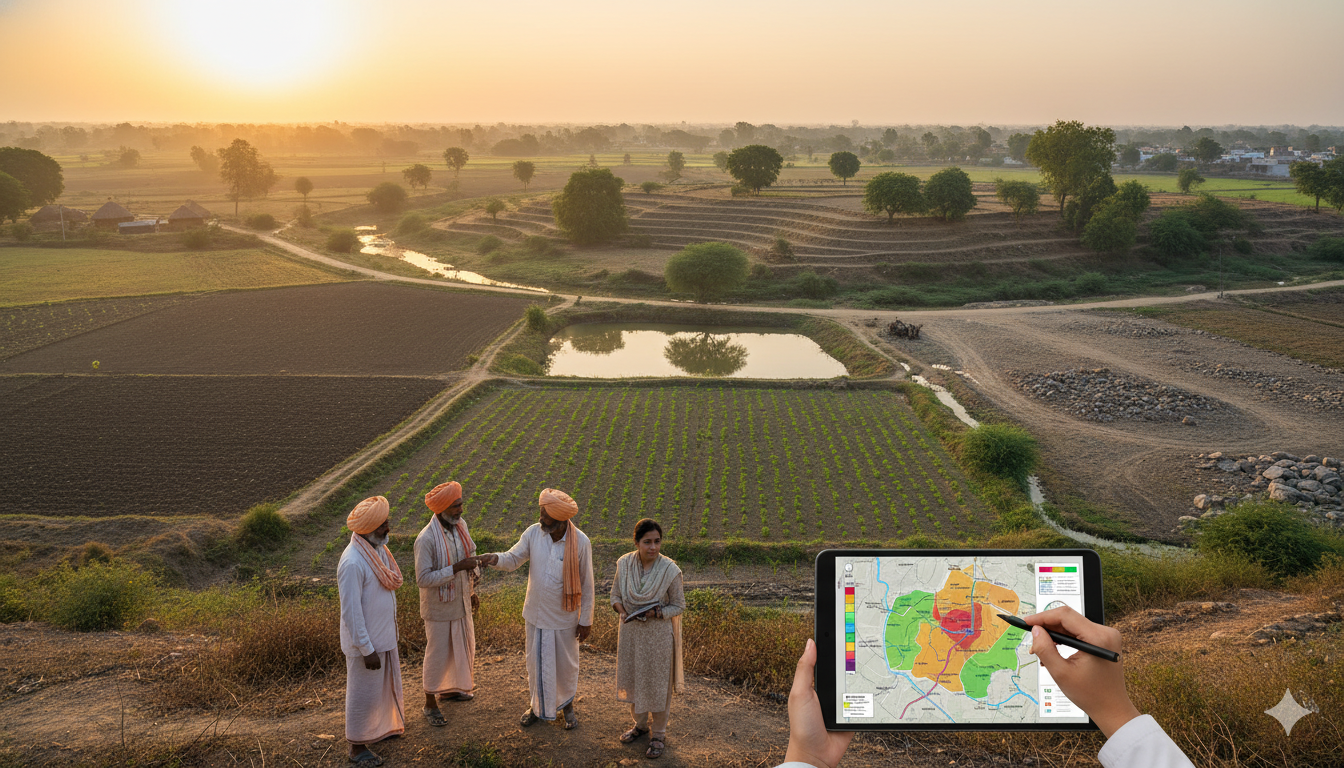
- Smart technologies: Drones, sensors, and data analytics help monitor crop growth, soil health, and irrigation needs in real time, transforming farming management into a precise and efficient process.
- Government and community programs: Various initiatives provide financial and technical agriculture help to empower farmers with knowledge, equipment, and market access.
- Sustainability focus: Farmers are shifting towards renewable energy and eco-friendly materials, ensuring the creation of more healthy farms for the future.
- Education and training: Regular workshops and training sessions on crop management and modern techniques enable farmers to adopt better practices.
- Collaborative farming: Communities are coming together to share resources and expertise, strengthening local agriculture farming systems.
By embracing innovation and collaboration, the farming community ensures a stronger, more resilient agricultural future.
Conclusion
Design and Planting in Agriculture and Farming form the heart of agricultural success. Every decision from soil preparation to crop selection plays a crucial role in ensuring long-term sustainability. With proper planning, advanced farming management, and continuous agriculture help, we can build healthy farms that feed the world while preserving nature.
Agriculture is not just an occupation it’s a commitment to nurture life. As we move forward, combining traditional wisdom with modern science will remain the key to balanced agriculture development, efficient crop management, and a greener, healthier planet.
2 comments