
Agriculture development plays a major role in the future of farming, helping farmers grow stronger in today’s fast-changing world. What it means, in simple terms, is to improve farming techniques, empower farmers through knowledge, and support better systems for agriculture farming. When agriculture grows, farmers grow-and communities become stronger. It also builds healthy farms, supports smart farming management, and offers timely agriculture help when farmers need guidance. This improvement not only increases productivity but also ensures long-term sustainability with better crop management and care of the soil.
Why Agriculture Development Matters for Farmers
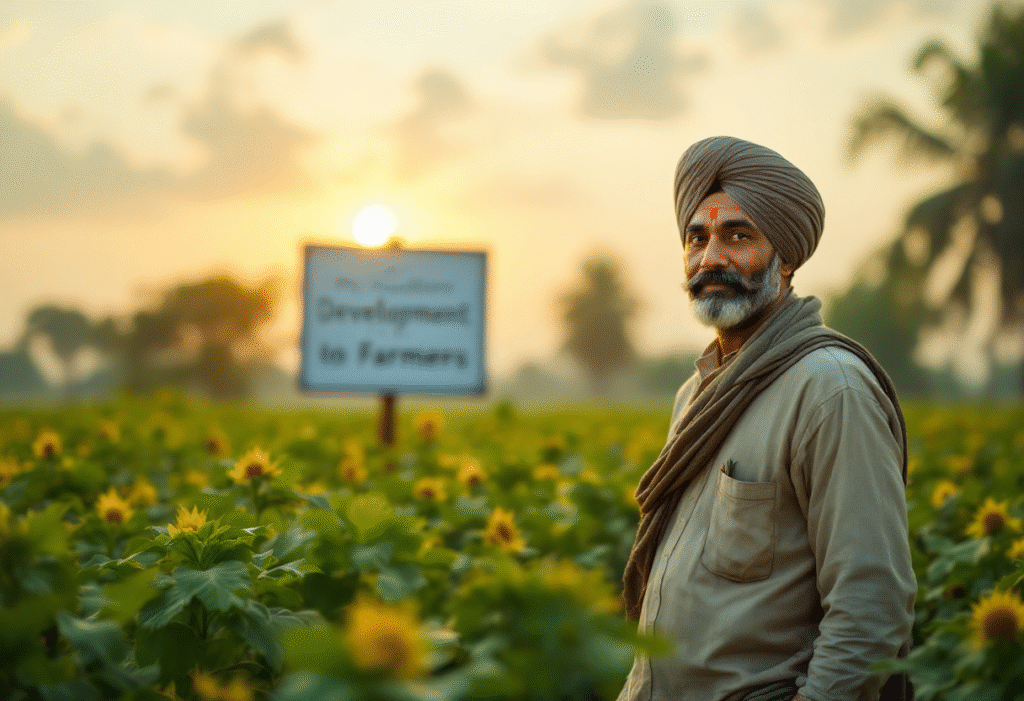
- Increasing Productivity and Growth of Farms
Agricultural development introduces modern tools, eco-friendly practices, and strategic planning methods to farmers. All these improvements enable farmers to understand their fields better and to manage crops more effectively.
Better farming techniques:
Farmers today are learning new ways of irrigation, advanced varieties of seeds, and smart tools that ease work. The tools help in stronger, healthier farms and reduce losses in crops.
Improved crop management:
It aids farmers in keeping track of crop nutrition in the soil, weather conditions, and natural pest control. This will lead to high-quality produce and more profitable harvests.
Efficient farming management:
Good farming management enables farmers to plan their season wisely, utilize resources effectively, and minimize wastage. Agriculture development teaches farmers how to record expenses, store produce safely, and make informed decisions.
- Support Sustainable and Healthy Farming
Farmers today face challenges such as a changing climate, soil degradation, and water scarcity. Agriculture development enables them to adapt by using environmentally safe practices.
Focus on healthy farms:
Creating healthy farms means improving soil fertility, reducing the use of chemicals, and encouraging organic or semi-organic farming styles. These methods protect both the health of the land and the farmers.
The environmental protection:
The development of agriculture has supported tree plantation, saving water through irrigation, and crop rotation. All these small steps ensure long-term sustainability and contribute to growing health farms that continue to produce for years.
Access to agriculture help:
Now, farmers are getting proper help through government schemes, training programs, and expert advice regarding agriculture; thus, ensuring equal chances for growth of every farmer.
- Improving Farmer Education and Decision-Making
Knowledge is one of the major strengths agriculture development provides.
Training and awareness programs:
Farmers gain knowledge of the latest technologies, fertilizers, weather apps, and marketplace fluctuations. All this knowledge makes them more confident and independent.
Adopting modern technology:
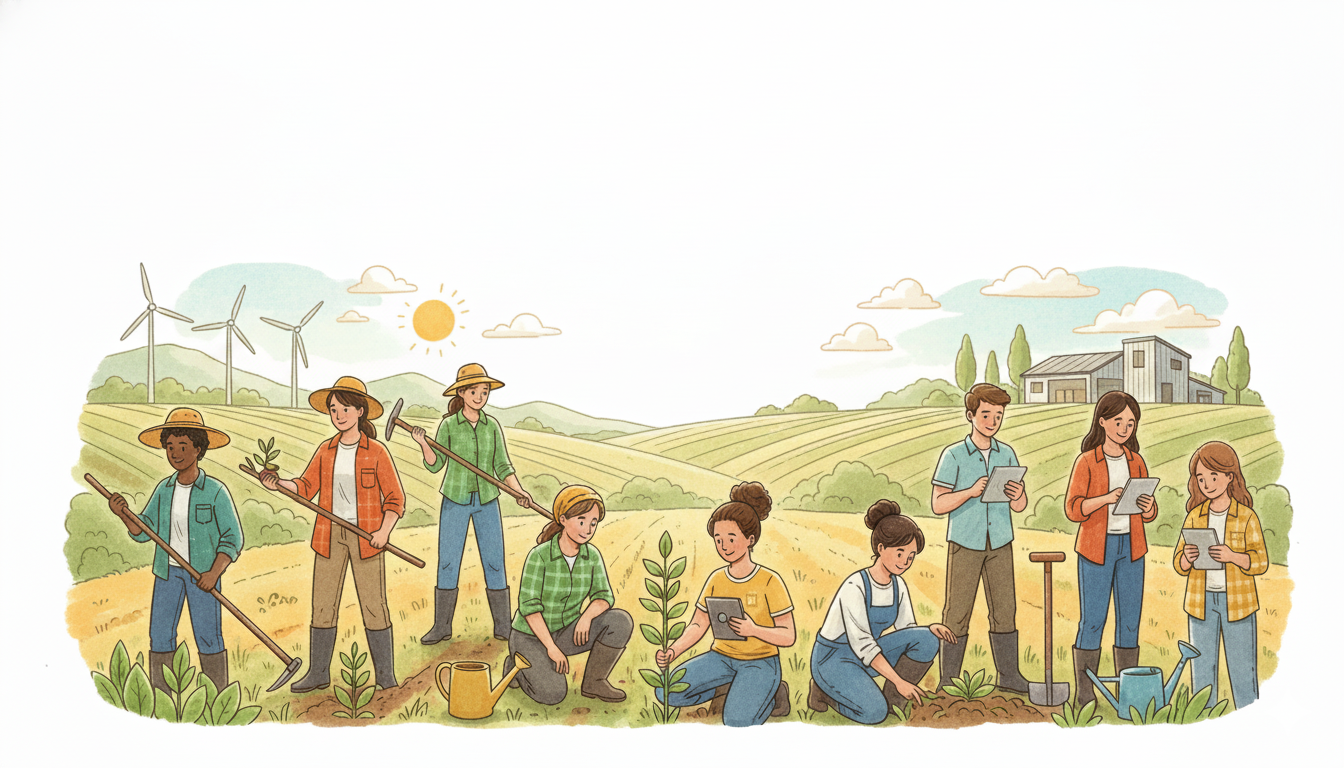
Agriculture development encourages drones, soil test kits, mobile apps, and automatic irrigation systems that assist farmers to monitor the fields with accuracy.
Improved financial decisions:
Farmers trained in farm management know budgeting, saving, and investment opportunities that steer them clear of losses and into profits.
- Empowering Farmer Markets and Incomes
One of the biggest goals of agriculture development is to make farming not just easier but more profitable. Market access and fair pricing: Farmers obtain updates on market rates and buyer demands; therefore, farmers can sell the produce at the right time and obtain better income. Value-added opportunities: Farmers, through guidance and agricultural assistance in crop processing, proper grain storage, and post-harvest loss reduction, increase the value of their produce. Better community support: Agriculture development encourages farmer groups and cooperatives. Farmers who work together share resources, reduce costs, and develop stronger bargaining power. Impact of Agriculture Development in the Future
5. Building a Strong
Sustainable Future for Farmers As farming continues to evolve, agriculture development will remain a powerful force that lifts farmers and improves rural life. Climate-smart agriculture: Farmers will apply technology in weather forecasting, prevention of crop diseases, and better planning of their harvests. More healthy farms across villages: Better awareness will lead farmers to continue with their hard work of building healthy farms, rich in nutrients, eco-friendly, and capable of giving better yields. Growth of modern agriculture farming: The shift from traditional to modern agriculture farming will help farmers earn more with less effort, thus making farming a respected and profitable profession for the next generation.
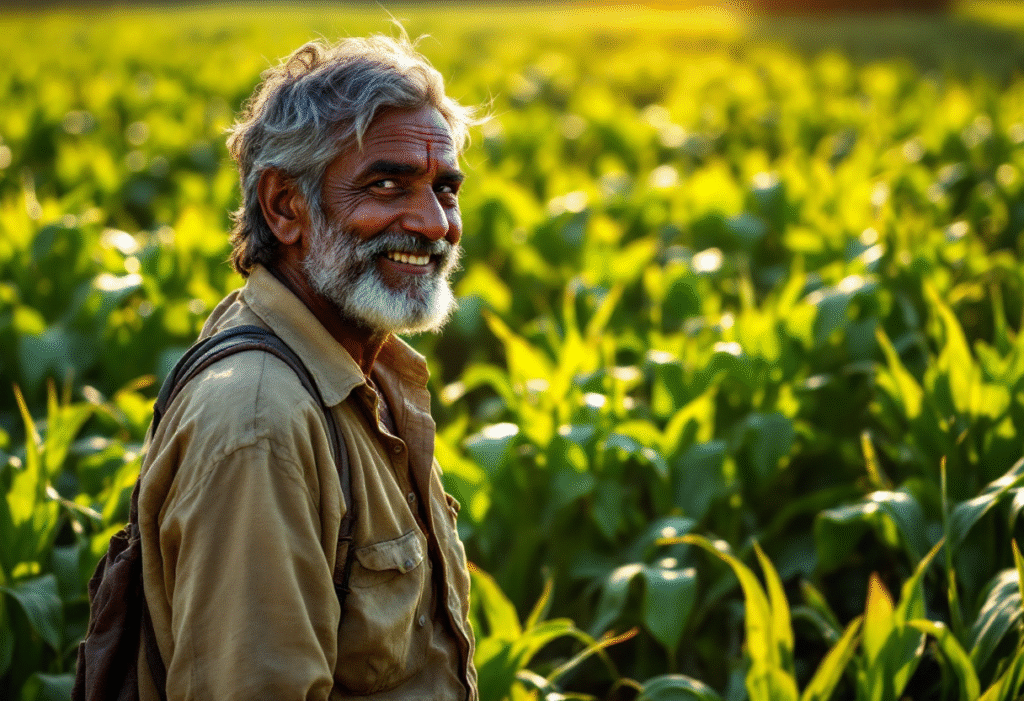
Conclusion
Agriculture development is not only a matter of ‘growing’ crops but also growing farmers, growing communities, and ‘growing’ a better future. With better crop management, improved farming management, and similarly with the growth of healthier farms, farmers become more assertive and self-confident to face challenges. Agriculture development gives them the necessary tools, expertise, and agricultural support to build a better future. In fact, through the promotion of innovation, sustainability, and education, agriculture development can indeed change farmers’ lives and shape a brighter future for all.
1 comment